
Choosing the Right Floor Care Equipment for Any Job
What Makes High-Quality Tools Essential for Clean, Safe Spaces
Clean, well-maintained floors don’t just make a space look professional—they also play a major role in safety, durability, and customer perception. Whether it’s a commercial building, school, hospital, or retail store, the right floor care equipment can transform how efficiently cleaning tasks are handled. Investing in proper machinery not only saves time but also protects flooring materials over the long term. From automatic scrubbers to industrial vacuums and polishers, having the right gear means tackling dirt, scuffs, and stains with precision while reducing the risk of wear and tear. Visit https://www.janitized.com/brand/powr-flite/ for more information.
One of the biggest advantages of professional-grade floor care equipment is consistency. Manual cleaning methods often miss subtle grime that builds up over time, especially in high-traffic areas. Machines designed specifically for floor maintenance provide deep, even cleaning with minimal effort.

This becomes especially important for large or complex surfaces, like warehouses with concrete flooring or lobbies with polished stone. Equipment like burnishers help maintain shine, while scrubbers are ideal for removing embedded dirt without damaging the finish. Even simpler tools like walk-behind sweepers can make a huge difference in how fast and effectively a space is maintained.
Beyond performance, using the right floor care tools also improves safety. Wet floors are a leading cause of workplace accidents, but equipment with built-in drying or squeegee systems can reduce slip risks significantly. Quiet operation features are a bonus in noise-sensitive environments like schools or offices. And let’s not forget about operator comfort—ergonomically designed handles, adjustable settings, and easy maneuverability mean staff can clean thoroughly without fatigue. With so many options available, choosing floor care equipment comes down to understanding the needs of your space and matching them with tools built for the task. When those needs are met, the results speak for themselves: cleaner, safer, more welcoming floors with far less effort.…



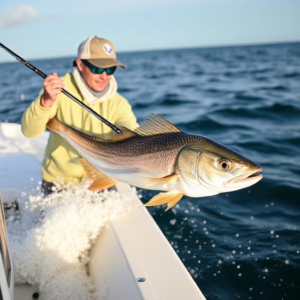 Sports Fishing in Belgium and Netherlands Sporting in Belgium and the Netherlands is a deeply vested tradition and a beloved pastime that attracts both local people and international anglers. With an abundance of lakes, rivers, canals and coastal water, the region offers a diverse and exciting range of fishing experiences throughout the year. From freshwater species, such as pike, carp, and Zande, to saltwater catch, such as sea bass and COD, the two countries present a rich and rewarding environment for novice and experienced anglers. Belgium: A hidden gem for anglers, Belgium, although compact, is a stunning, diverse home of fishing opportunities. Its rivers – including mousse, sambar and salt – are popular for coarse fishing and hunter fishing. Belgian anglers often target species such as Roach, Bream, Parach and sometimes the popular Northern Pike. In the Southern Ardennes region, landscapes with ancient rivers and forests make for peaceful and beautiful fishing places, especially for fishing and trout enthusiasts. Belgian wide canal network, originally designed for transportation, has become a shelter for urban fishing. This water keeps a large population of gender, parish and carp and is easily accessible to anglers. In addition, many managed fishing ponds and commercial fisheries across the country offer well-stocked and maintained environments for casual and competitive fishing.
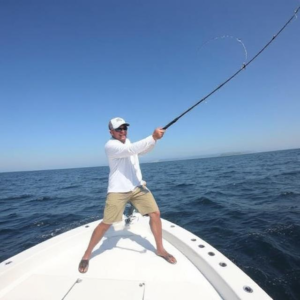 Netherlands: A sports fishing paradise The Netherlands are often considered one of the major sports fishing sites in Europe and for good reasons. With more than 6,000 kilometres of waterways, the Dutch landscape is associated with rivers, canals, lakes and coastal areas. The country’s unique water management system, including Poles and Dike, has created many ideal housing for various types of fish. Prideter Fishing is particularly popular in the Netherlands, the most sought-afterpired species with Xandar, Parach and Pike. Anglers often detect huge Ijsselmeer, MAAS River and countless urban canals in cities such as Amsterdam and Utrecht, which are surprisingly rich in aquatic life. Dutch is known for its progressive approach to permanent fishing, and catch-and-reliefs are widely practised to maintain the healthy fish population. The North Sea Coastline also offers exciting saltwater fishing opportunities. Sea bass, mackerel fla,tfish edges and boats are similar targets for anglers. Charter trips are easily available, providing easy access to deep water and offshore adventures. License and regulations Belgium and the Netherlands explain the rules of fishing to protect the aquatic ecosystems near both. In Belgium, fishing permission is required and can be obtained through regional authorities. In the Netherlands, Vispa is needed, providing access to thousands of public water, and a primary license is required. These permits are inexpensive and help support fish stocking, conservation and development of infrastructure.