
How Preparation Helps You Stay Safe, Comfortable, and In Control
Cold weather can be tough on vehicles, often revealing issues that go unnoticed during warmer months. Preparing a car for winter is not just about convenience, but about safety, reliability, and confidence behind the wheel. Snow, ice, freezing temperatures, and shorter daylight hours place added stress on both the driver and the vehicle. Taking time to prepare before winter conditions fully set in helps reduce surprises and keeps driving stress to a minimum. Completing winter car prep Maumelle AR helps vehicles handle colder temperatures and slippery road conditions.
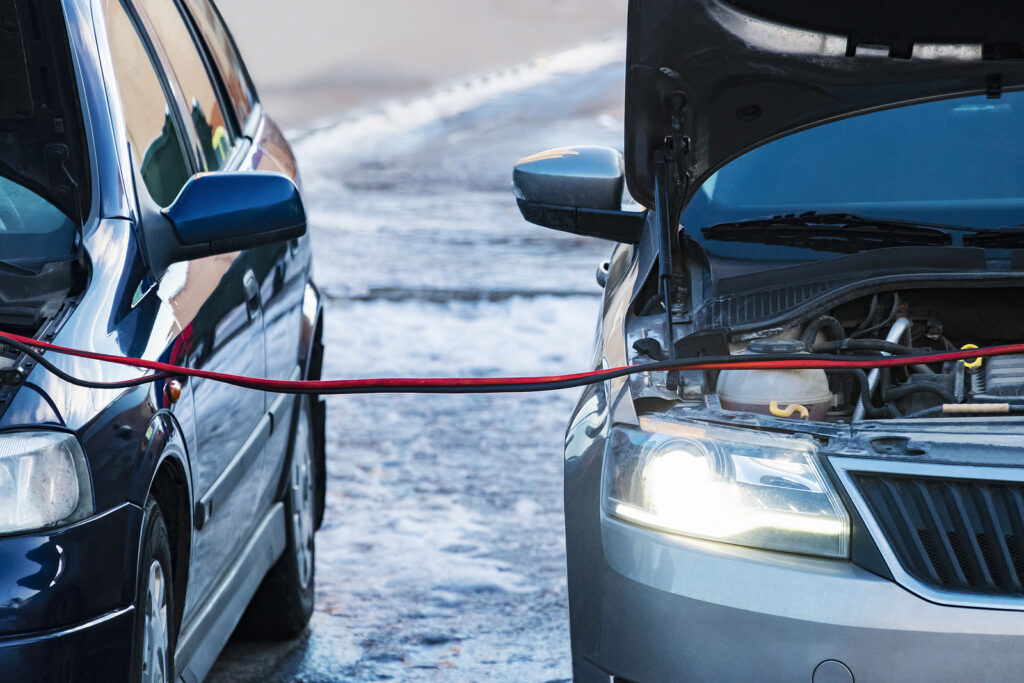
One of the biggest challenges in winter driving is maintaining reliable performance in low temperatures. Engines work harder in the cold, batteries lose efficiency, and fluids thicken, all of which can affect starting and operation. Ensuring that key systems are ready for winter conditions helps prevent early-morning no-start situations and unexpected breakdowns. When a vehicle is prepared, daily driving feels more predictable and controlled, even in freezing weather.
Traction and visibility are critical during winter months. Snow-covered roads and icy patches demand dependable handling, while early sunsets and stormy conditions require clear vision. Tires, brakes, lights, and windshield components must work together to support safe driving. When these systems are properly maintained, stopping distances improve and reaction time increases, making it easier to navigate challenging road conditions with confidence.
Heating and defrosting systems also play a major role in winter comfort and safety. A properly functioning heater keeps the cabin warm, reduces driver fatigue, and ensures windows stay clear. Defrosters help maintain visibility during snow and freezing rain, preventing fog and ice buildup. These systems are often taken for granted until they fail, which is why pre-winter checks are essential.
Winter preparation also supports long-term vehicle health. Cold temperatures and road treatments such as salt accelerate wear and corrosion if a vehicle is not properly maintained. Addressing minor issues before winter begins helps protect critical components and reduces the likelihood of more costly repairs later. Preventive care during this season extends the life of the vehicle and preserves overall performance.
Confident cold-weather driving starts with preparation, not reaction. When a vehicle is winter-ready, drivers can focus on the road rather than worrying about mechanical problems or poor visibility. Winter conditions may be unpredictable, but proper preparation ensures that every drive feels safer, smoother, and more controlled throughout the cold season.